Showing posts with label health tips. Show all posts

November 11, 2017

Resistant Starch and Gut Health: Pasta, Rice, and Potatoes Are Cool Again


Last fall, I discovered “resistant starch” and shared research about how eating cold potatoes was good for you because they contain this stuff.  See, “Resistant Starch: Potatoes are Good for You (Again).”

But silly me, I went off and forgot about it.  I had programmed myself against eating white stuff like bread and potatoes and rice for so long, I guess.  I skipped along, going my merry way, and never got on board with intentionally eating sources of resistant starch.

Big mistake.

Last month, I returned to investigating sources of “resistant starch” after the topic popped up in one of my research projects.  Turns out, I was including some forms of resistant starch in my diet (beans, for instance).  Good news.  But not enough, and not daily.  
.
.


Gut Health Boosted With Cold Potatoes

For personal reasons I’m not sharing here, focusing on my gut health is very, very important to me.  Gotta do it. 

So, beginning in October 2017, I started making sure that every day I had some form of these short-chain fatty acids in my diet. 

I ate cold potato salad.  I added some cold beans to my salads.  I tried a green banana or two (yucky).

And I noticed a difference.  I felt better.  I had more energy.  Emotionally, I was peppy.

This month, I’m delving into cold brown rice and rye bread.  Reuben sandwiches, yum!!! 
.

Brown Rice and Reuben Sandwiches

So, Dear Reader, if you want to do more for your intestinal gut health (and of course you do, it’s your “second brain” after all), then maybe you’ll like to eat more cold potato salad, too.
.

For more information, check out:

9 Foods That Are High in Resistant Starch, by by Rudy Mawer, MSc, CISSN and published by Healthline on October 6, 2016;

Keenan, Michael J., et al. "Role of resistant starch in improving gut health, adiposity, and insulin resistance." Advances in Nutrition: An International Review Journal 6.2 (2015): 198-205.'

Sawicki, Caleigh M., et al. "Evidence Mapping: Resistant Starch Interventions and Health Outcomes." Diabetes 3 (2016): 5.

October 30, 2017

Queen Elizabeth, Kate, and Me: Our Favorite Essie Nail Polish Is Non-Toxic

Simple living means many things to many people, of course.  For me, one of my lifestyle changes has been to do my own manicures and pedicures.

My initial incentive here was saving cash.

However, an added bonus has been safety. I've learned that pedicures come with all sorts of nasty health hazards. I discovered that most nail polish is toxic.

Which is why I'm happy to report that my favorite nail polish, which you can buy on Amazon or at Target, is a pretty light pink shade called "Ballet Slippers" by Essie.  That's it in the image below.  Nice, isn't it? 

Essie is a non-toxic brand of nail polish. There are others, if you want to shop around.


Queen Elizabeth and Kate, Duchess of Cambridge 

And if saving money doesn't spur you to action, much less having toxic chemicals seeping into your nail beds, consider this:  This same Essie shade (Ballet Slippers) is said to be the favorite nail polish of Queen Elizabeth and Kate Middleton.

My. Who knew the royals were so simple-savvy? 


October 14, 2013

Food Expiration Dates: New Harvard Study Suggests Changes to Food Dating, Stop US Food Waste

Food expiration dates - I know I check the expiration dates on all my food packaging, how about you?

Not that I always respect that date; for example, “sell by” to me doesn’t mean much if I brought something home and immediately tossed it in the freezer. (Which is a great thing to do, by the way: buy something on sale, then freeze it until you’re ready to use it.)

Harvard University Study Reports Americans Waste 160 Billion Pounds of Food Every Year 

 A new research study has been published by Harvard University’s Food Law and Policy Clinic and the Natural Resources Defense Council, entitled “The Dating Game: How Confusing Food Date Labels Lead to Food Waste in America.” (Click on the link to read the entire study online for free.)

 According to this new study, “[a]n estimated 40 percent of food in the United States goes uneaten,1 and according to even the most conservative estimates, Americans waste 160 billion pounds of food each year.” 

That is a heck of a lot of food  -- and a shameful amount of waste.

One of the big problems, according to these researchers? Food dating.

 Expiration dates on food in the United States are causing lots of good food to go to waste.

They are suggesting that lots of this waste could be stopped if the Food Dating system in the United States was standardized across various food industries as well as making the food labels we all read much easier to understand.

I agree. Making those food dates easier to understand would be a great thing. (Remember how you used to be able to figure out how fresh a loaf of bread was by the color-coded tag? No more; you can’t count on the color to tell you anything much any more.)

 For instance, the Harvard Study reveals that there’s nothing unsafe about food that is past the “sell by” food date — that date doesn’t have anything to do with the safety of the food itself; it’s an inventory control date for the store to control what’s on its shelves. Wow.

And, here’s a biggie: eating something well before the “sell by” food date doesn’t inherently mean that it’s all fresh, and good, and safe for you to eat. Nope. Things like how it was stored are a big factor here.

What about the “use by” food date code? The “use by” food date does not give you dependable information on how microbiologically sound that food product may be — that’s dependent on how the product has been manufactured, distributed, and stored for you.

Not All Food Is the Same: Food Dating Systems Should Reflect Ready-to-Eat Versus To-Be-Prepared 

Another big factor here: not all food is the same and they’re not suggesting that there not be universal one-size fits all food dating. Refrigerated ready-to-eat food is more risky for bacteria, for example, than something you have to bring home and cook. Why? The heat may kill dangerous bacteria in the food that the ready-to-eat item might share, but it’s not going to get zapped by heat before you eat it.

There’s lots more in the study. It’s worth your time to read. Now, I’m going to go get a snack.

March 13, 2012

Cheap Protein Sources to Consider When Planning Your Menu and Making Your Grocery List

For those living a voluntary simplicity lifestyle, being smart on the food budget is just part of maximizing the monthly disposable income.  However, in the years since I began living this way, I've seen more and more people that are simplifying their lives because they have to do it:  it's a financially necessity to live with less material stuff and a smaller budget.

These folk may not know how to cook, and they may be bummed that they have to cut back.  To them, I say - hey, there's a silver lining here!  There's fun in your future that you wouldn't have found if you hadn't had to start budgeting things.

Like learning all about cheap protein sources and using them in your menus.  There's some major good eating here as well as some very healthy things for you and yours, which someone who's eating out a lot or buying lots of prepackaged stuff or fast food take out is going to miss.

Cheap Sources of Quality Protein

The reason that you want to know cheap sources of protein is because protein can take the biggest chunk out of your monthly food budget.  Meat - beef, pork, chicken, fish - costs a lot and you buy it by the pound.  To get control of your food money for the month, it's a big target.

The silver lining is while you are buying protein options to beef, pork, chicken, fish that you are also getting some very nutritious stuff.  Stuff that can be lots better for you than the steak that you're not buying any more.


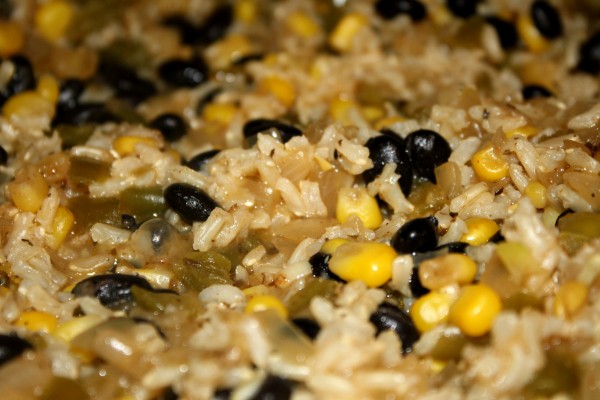
Black Beans and Rice Dish | Public Domain Image
Consider buying these cheap sources of protein (gram info from nutritiondata.self.com unless otherwise linked):

  • Eggs - 4 grams per large, fresh egg
  • Quinoa - 8 grams in a serving
  • Whey Protein Powder - 19 grams per 1 cup
  • Milk - 10 grams in a serving of nonfat, protein fortified
  • Cottage Cheese - 28 grams in 1 cup, lactose reduced
  • Greek Yogurt - 16 grams in 6 oz serving (I like Chobani Vanilla Nonfat with stevia added to it)
  • Beans and Rice - 9 grams in 1 cup of rice and beans combo
  • Soy Products  - 68 grams in 1 cup of soy nuts
  • Tempeh - 31 grams in 1 cup
  • Almonds 6 grams per ounce


And if you have to buy meat, then consider these two options before you go over to the Meat Department:
  • Canned Tuna in Water - 39 grams in 1 cup of solid white tuna in water, drained
  • Canned Mackerel - 44 grams in 1 cup of mackerel, jack, drained
  • Canned Sardines - 23 grams in 1 can of sardines packed in oil, drained
Which are Complete Proteins?

Just because a food item has lots of protein in it, you're not done.  Another consideration is whether or not it has all NINE essential amino acids in it, which then makes that food a "complete protein."

Of the items listed above, only the canned meat, the soy stuff, and the quinoa are complete proteins.  Which doesn't mean that the others aren't great, too .. just something to consider.

And yes, you can combine things to make a complete protein.  Rice and beans together, as shown above, make a complete protein.  So does smearing almond butter onto toast.

Here's the Thing: This Stuff Tastes Great.

Almonds?  They're great.  Raw, in salads, pureed into butter.  Major yum here.  Red beans and rice, or what we have here in San Antonio, pintos and rice?  Great stuff.

The greek yogurt is addicting, at least for me, when you add some stevia for sweetness and some pumpkin pie spice to the nonfat vanilla flavor.  Better than ice cream for dessert and I am not kidding you or deceiving myself.  Try it for yourself.

Quinoa?  I cook this in the microwave after learning about this on a Melissa D'Arabian show and it works great.  (Try her recipe which has 100 five star reviews at the time that I inserted this hyperlink for her lentil quinoa salad.)  And you can buy this seed, it's not a grain, made into all sorts of pasta shapes at World Market, among other places.  Elbow.  Spaghetti. 

You get the idea.  Simple living is just filled with all these discoveries.  You really do say "wow" a lot, and I'm still doing it after all these years.  It's fun!


October 9, 2011

Great List of 20 Healthiest Foods - Why They're Great, How To Prepare Them

Getting my feet wet over at Stumble Upon, and this article just popped up (I supposed I have "stumbled upon" it): "The 29 Healthiest Foods on the Planet," and boy is it a handy little list.  It gives you, in alpha order, lists of foods that you can find in your local grocery as well as why they're so great for you, and a hint or two about how to eat them. 

Not the only list out there, of course.  What I like about this list is that it is so short and sweet, and still stuffed with great info.  Worth a looksie, Dear Reader. 


, , ,

June 27, 2011

More on Sitting All Day Being Harmful for Your Health

Just read a great article with lots of information on research done regarding the dangers of sitting all day rather than standing or moving.  Written by Dr. James A. Levine of the Mayo Clinic, the article is entitled, "The Extreme Dangers of Sitting," and it's worth the read.

One big thing that stuck with me:  you will spend THREE times the energy standing instead of sitting.  So, using that standing desk without anything more means you're tripling your energy output.

So, even if you're not into a standing desk because it's fun or it's cool (remember, Ernest Hemingway wrote from a standing desk), think about this:  you might just lose some lbs and never have to go to the gym, never have to break a sweat.

Now, that's a scoop, right?

Oh, and one other thing from this study that stuck with me:  a nice evening constitutional for an hour, where you walk to enjoy the scenery and let the dog sniff the tree trunks, will expend the same amount of calories as if you were to take a ramped-up 30 minute power walk. Sweet. 

I'm off to walk the dog!

June 17, 2011

The Dangers of Sitting Too Much - It Can Kill You

This graphic demonstrates the dangers of sitting at your desk too much and too long.


I've started using a standing desk for a least a part of my work day, and I really enjoy it.  A friend told me that Ernest Hemingway always used as standing desk and I found this photo of Hemingway posing next to his standing desk (here) - cool, right? 

Me, I wasn't influenced by Ernest Hemingway.  It was much more basic:  I got the standing desk because I didn't like sitting at the keyboard for long periods of time (in the words of author Robin Lee Hatcher, I was getting "numb butt"). 

I also appreciate the warnings that are now coming out like this one at Boing Boing:  sitting without getting up for breaks is bad for your body. As in, sitting for many hours at a time, as a routine practice, is extremely bad for you and causes all sorts of problems with your gastrointestinal system, your heart, and other things.  Beware.

So, standing desk or not, get up if you're at a computer right now and move - or at least, stand. 

June 14, 2011

Juicing for Health: Carrot Beet Apple Spinach Juice Tastes Good. Really.

I've had a great juicer for years - high powered motor, easy to clean - but I had stored it in a cabinet awhile back and just forgotten about it. And juicing.

Then, I was surfing around and there was this discussion about the nutrients that are available in raw vegetables and fruits, things that get lost by the time they get into bottles or cartons or cans or bags. That's right, I remembered: I own a really nice juicer - why aren't I using that thing? (Slap of forehead.)

So, this week I pulled that puppy out and went to the store and bought organic beets, carrots, Fuji apples, and baby spinach. Some cilantro, too - but I also made pico de gallo, and the cilantro escaped the juice machine.

Today, I'm back in a routine of juicing daily and I feel the better for it. I've posted on this before (Food as Medicine: Juicing) and you can find links for lots of detailed information there. Right now, I just want to share how easy and fun this is, and here's my recipe (and a couple of tips):

Reba's Daily Raw Carrot Apple Beet Spinach Juice

8 small carrots or 6 regular/medium size
2 big handfuls of baby spinach leaves (don't skimp)
2 medium sized Fuji apples
1 medium sized beet (about the same size as one of the apples)

Wrap the spinach around the carrots to juice, it works better (the leaves can be hard to juice). Keep your working area clear and clean as you go: that beet juice will stain stuff (including your tee shirt).

I drink this over ice and with a straw. It's a pretty purple color.

For more on what this provides, read the links given with the ingredients above.

March 21, 2011

Preventing Alzheimer's Disease: Five Things You Can Do Right Now to Stop Alzheimer's

Double Whammy:
one cup of green tea each day can help
fight against getting Alzheimer's Disease
in two ways.
pix: Public Domain Photos
This weekend, a friend of mine talked with me for a long time about how hard it was to watch a friend of hers suffer from Alzheimer's Disease, and now that the disease had progressed to a certain point, her friend's husband was forced to face the fact that his wife would be safer in a 24/7 nursing facility than at home with him.

So this Saturday, my friend supported her two friends, this husband and wife, as they separated after living together for many, many years.  She'll sleep near nurses who can lift her.  He'll make his morning coffee for himself.

My friend cried and cried after leaving them.  Alone in her car.  It's something with which we can all empathize.

Avoiding Alzheimer's Disease: Can We Do It?  It's Worth a Try, Right?

Perhaps a failing brain is something that some of us must face because it's in our genes.  It's a tragic destiny that cannot be avoided.  Maybe.

However, many argue that there are ways to stop Alzheimer's Disease - or at least delay it.  In fact, more and more research is being done on ways to prevent this horrific disease, fueled in no small part due to the aging Baby Boomer generation and the skyrocketing care costs that the American economy will face if a cure or prevention isn't found. 

Is this a global threat?  Not really.  In India, for example, Alzheimer's Disease is rarely seen.  Many believe this is because turmeric is the national spice of India -- as prevalent as salt or black pepper is here in the United States. 

Five Ways to Prevent Alzheimer's Disease - Supported by Research Studies, Easy to Implement

You aren't doomed.  There are a great many easy things that you can do right now - things that research studies have confirmed, that will fight against Alzheimer's Disease in your future, including: 
1.  Caffeine.  I've already written about the studies on one cup of coffee each day.  Really, it's a daily dose of caffeine that is key here. 
2.  Red Wine. There's also a post about having one glass of red wine every week.  Seems research shows that this will cut the chance of dementia in women by 70%.  That's a big deal, and so easy to do, right? 
3.  Exercise.  A little bit of exercise will fight against dementia in your old age, too.  Fifteen minutes of exercise, just three times a week, will do the trick of lowering your risk by 30%.  That's nothing.  Walking the dog regularly gets you there. 
Other things that you can incorporate into your lifestyle, if you aren't doing this already:
4.   Green Tea.  Every day, drink green tea.  New research is revealing that green tea prevents Alzheimer's disease from developing.  Drink it without the caffeine taken out, and you've also covered the first tip on this list, as well. 
5.   Turmeric.  Eat lots of curry spiced with turmeric.  (Or tons of yellow mustard -- turmeric is what makes hot dog mustard so yellow.) Seems this yellow spice contains a chemical that may block a necessary component of Alzheimer's Disease -- studies continue to be done here, based in part upon the reality that India has 400 times less incidence of Alzheimer's disease than the United States.  You can check out the top 20 recipes using turmeric at AllRecipes.com, or maybe take it in a pill form. 

There's still more.  At the Alzheimer's Research & Prevention Foundation, they offer a three pillar fight against getting this terrible disease (their fourth pillar, medicines, deals with treatment after onset):

February 12, 2011

pH Balance in Your Body: Should You Care About Your Internal Acid - Base Balance?

I'm hearing more and more about the pH balance of the human body and how maintaining a proper pH balance is important to your health. 

 
What is pH balance?

 
It's the balance between acid and alkaline.  Water is neutral.  When your pH balance goes wacky, then you have physical consequences.  Things like acidosis can occur.  After that, really bad things can happen: cancer, kidney disease, things like that.  Turns out, pH balance is really, really important. 

 
What's acidosis?

 
Acidosis results when your body is too acidic and therefore internally promotes the growth of bacteria, viruses, mold, and other bad things that can make you sick. 

 
Acidosis is a state where your body lacks sufficient calcium and oxygen to keep an internal balance that keeps these nasty things in check.  It's not like you don't always have bacteria, mold, etc., inside your body.  It's just that when you get out of balance, then they have an environment conducive to their growth. 

 
Not only does this mean that you can suffer from gas, bloating, headaches, and other rather minor symptoms, but as these things continue to thrive, things get more serious.  Intestinal disorders -- and get this, I learned that osteoporosis is the result of chronic acidosis.  In order to grab the calcium it needs to fight off the pH imbalance, the body will suck out calcium from its own bones and teeth to try and get a better alkaline level - and win the war against the bacterial growth.  Less bone mass, that's osteoporosis.

 
You can monitor your pH balance by buying cute color-coded gauges at your nearby health food store, or online at places like The Wolfe Clinic

 
How to get yourself back in a balanced pH state?

 
First of all, there's no magic pill here.  Simply put, you have to eat right - the same kind of thing that you are supposed to be doing anyway.  Avoid sugar, fast foods, caffeine.  Eat lots of raw veggies and fresh fruit.  Drink water.  (Here's a nice chart for you.)   Apple cider vinegar is supposed to be helpful, too.  Get calcium inside of you, along with water and potassium. 

For more information, check out these articles:

December 6, 2010

Garlic: A Natural Antibiotic That's Powerful and Respected

Over three years ago (wow, I've been blogging here a long time!), I wrote about olive leaf extract as a natural antibiotic.  However, I've discovered that as a natural antibiotic, fresh garlic works so much better for me, and I thought I'd share my discovery with you.

Here's the backstory.  Friday morning, I woke up feeling yucky and just didn't have time for it -- and didn't want to go to the doctor where I would either be told: (1) it's a virus, thanks for your office visit; or (2) it's a bacterial infection, here's some antibiotics for you.   What did my ancestors do before Doc in the Boxes?  I went online to find out, and learned about garlic.

Garlic Is a Natural Antibiotic that Has Been Used for Thousands of Years

I learned that Louis Pasteur studied the antibacterial properties of garlic.  I learned that Hippocrates dispensed it

Additionally, I learned that modern researchers found garlic to have (go to link for citations)"...the broadest spectrum of any antimicrobial substance that we know of — it is antibacterial, antifungal, antiparasitic, antiprotozoan and antiviral.” I also found out that unlike modern medicine's antibiotics, which are failing to conquer the new "superbugs," garlic remains a powerhouse against them

What's in raw garlic?

Two things:  Crushed, raw garlic has (1) allicin, a powerful antibiotic and(2) phytoncide, an antifungal compound. Other stuff, too, if you want to go read those medical studies (click the links).  It has the stuff to get rid of what's ailing me, as well as having all sorts of amazing health benefits, like fighting against heart disease, cancer, and diabetes.  Wow. 

So, garlic sounds like something I'm willing to try before I go see a medical health care provider. 

Garlic in a Tonic - What I Did

Last spring, I wrote about tonics -- which were pretty standard stuff until Modern Medicine introduced us to pills and tablets.  Personally, I think tonics are great.  You know what's going into them, and you really do feel the benefits. 

In that March 2010 post, I shared tonic recipes for Tonic Tea and Apple Cidar Vinegar Tonic as well as lots of links to long lists of tonic recipes.  Today, I'm sharing my new Garlic Tonic recipe - and while it may not make you kissably-sweet, heck: it worked for me.  I'm amazed and thrilled about this!!!!

Here's what I put together that got me back to 100% within three days time:

Reba's Garlic Tonic

In a Magic Bullet-type blender, I put the following:

8 peeled garlic cloves
Equal amount of fresh cubed ginger ( for pain, read about this tip here)
Big squirt of organic, local raw honey
Filled it 1/3 with Bragg's Apple Cidar Vinegar (read about ACV here)
Filled the rest with water

Pulverized the stuff.  Then, I drank 2T in a cup of water or orange juice every 6 hours.  With crackers, to keep that garlic from making me nauseous. 

Friday, I felt bad.  Sore throat, sinus headache, runny nose, swollen glands in my neck, watery eyes, fever, ear popping, grumpy, tired. 

I adhered to this tonic regimen together with drinking Emerg-C four times a day (not at the same time).

Monday morning, popped up feeling FABULOUS.  No symptoms.  None. 

Cost in time and money?  Less than $10 and no lost time at a doctor's office.  Folk remedy?  Sure.  But it worked like a charm for me, and I don't have any antibiotics in my system to worry about, thankyewverymuch. 

Have a great day!!

November 1, 2010

Fizzy Vitamins like Airborne, Emergen-C: Are They Good for You?

Airborne are fizzy tablets in several tasty fruit flavors that come packaged in a cool cylinder similar in size to a roll of quarters.  The tablets provide about the same fizziness of Alka Seltzer, and they've been promoted in the past as a way to fight off colds and flu.  Competitor Emergen-C comes as a powder, in small individual envelopes: pour the powder into water and fun fizzyness occurs. 

Airborne and Emergen-C are similar in their high dose delivery of Vitamin C, and they're comparable in price (Airborne is a bit more pricey) but they have different vitamin combinations: these aren't identical products. But, aside from their ingredient lists, are these fizzy vitamins good for you?

The Fizzy Vitamin Reviews

Most online reviews of Airborne or Emergen-C discuss their ingredients.  How much Vitamin C is too much?  If you take five Airborne tablets a day, then are you overdosing on something?  Should we trust Airborne when it's a creation of an elementary school teacher, not a research scientist?  Which version of Emergen-C is best for you, if any, and does it have enough (or too much) of the B vitamins? 

Read through these reviews, and you'll learn nothing more than what you'll find from other vitamin reviews: some like them, some don't.  Vitamin C has its own group of proponents and detractors, and lots of what you read about the fizzy vitamins delve into the controversy of whether or not mega-doses of Vitamin C actually prevent or reduce colds and flu, cancer, etc.

Back in 2008, Airborne gained some notoriety for its $7 million settlement with 32 states and the District of Columbia, where these states had asserted that Airborne had made false claims about its benefits -- Airborne agreed to stop promoting its product as being helpful in preventing or treating illnesses.  This, after Airborne had already agreed to pay the Federal Trade Commission (FTC) around $30 million in settlement of allegations regarding false advertising claims. 

Whether or not you buy that these settlements were anything more than Airborne ultimately fighting against Big Pharma and those who are against lifestyle medicine, well, that's another issue.  Proper nutrition - including regularly taking vitamins and minerals - as a means to fight against illness is a huge topic, more than what we're pondering today.  Today, it's all about the fizz factor.
 
Fizzy Vitamins and Your Teeth

I found little if any discussion about the administration of vitamins through fizzy water.  Is this better or worse than vitamin tablets?  How do they compare against liquid vitamins?  I still don't know, and I'm assuming that this widespread absence of warning may well mean that taking vitamins through fizzy powder or fizzy tablets doesn't lessen their potency or worth. 

I did, however, find an interesting British news report about fizzy vitamins and your teeth.  Apparently, according to the Daily Mail, there are some that warn daily intake of these fizzy vitamins will harm teeth enamel.   Easy answer: use a straw.

After three weeks, I'm still happy with fizzy vitamins. And eating less - who knew?

Personally, I've been drinking a fizzy vitamin drink first thing in the morning for about three weeks now.  First two weeks, Airborne and now I'm trying out Emergen-C.  I'm still taking my regular vitamins, and I'm drinking my green tea with ginger, eating organic, etc. and I'm not trying to stave off a cold or flu.  Maybe some allergy symptoms (fall in San Antonio is notoriously bad for allergies) have been helped - watery eyes, headache, fatigue. 

However, one thing I've definitely noticed: I'm not as hungry.  I'm eating less, without consciously dieting.  Just not interested, and nope - I'm not sick or getting sick.  Wondering if getting enough vitamins and minerals into your system means you eat less. Or, looking at it another way, was I eating more because my body was craving vitamins it lacked?  Are fizzy vitamins a diet aid?  Yikes.  Imagine the horrific reaction of the FDA to that premise.   

October 26, 2010

Walking 6 Miles a Week Keeps Your Brain Healthy

In today's Natural News, there is a great article summarizing the latest studies on walking and its impact on memory function (and aging, and preventing Alzheimer's Disease or dementia).  Great thing to learn from it: walking 6 miles a week is a major health benefit.  That's not that much, is it? 

Of course, they report that 9 is even better than 6, and there's discussion of "brisk" walking - is it "brisk" walking when my dogs are pulling me along at a semi-run, because they've got a scent on the trail?  Sure feels brisk, lemme tell ya. 

How to keep track of that mileage?  I use a fabulous pedometer: the Omron HJ-112.  It's not that costly, but it is pricer than the $5 pedometers at WalMart.  I keep it in my pocket and if it's not accurate enough for NASA, it's accurate enough for me - I think it comes darn close, based on the trail markers. 

How many steps equal 6 miles?  I've always heard that while each person is different, it's a safe estimate that 2000 steps equals one mile of walking.  So, 6 miles?  12,000 steps a week. 

You can do that.  Yes, you can.  No one says it has to be 6 miles at a time, you could do half a mile in the morning, half in the evening every day but Sunday and get this done.  Maybe park farther away from the office? store entrance? 

Or, take a morning and evening constitutional.  Doesn't that sound sophisticated - "I'm taking my morning constitutional" just means more than "I'm off for a walk."  You're almost British, maybe Bostonian.  You might start wanting to wear tweed.

Seriously. Boost up your walking during the day if you're not hitting this target already.  Your brain will thank you for it -- and walking is great, especially in pretty places. 

October 25, 2010

Ginger Tea Recipe - Natural Pain Relief that WORKS

I'm still drinking my homemade Ginger Tea - and it's still proving to be very effective as a pain reliever. Once again this weekend, I skipped it and my foot (tendon injury) woke me up with a sharp pain on Saturday night as I tried to move it against the sheets. Yesterday and today, I'm drinking my Ginger Tea and no pain. Just like I'm taking a pain pill - but I'm not.

For those of you that might like to try my Ginger Tea recipe for yourself, here it is:

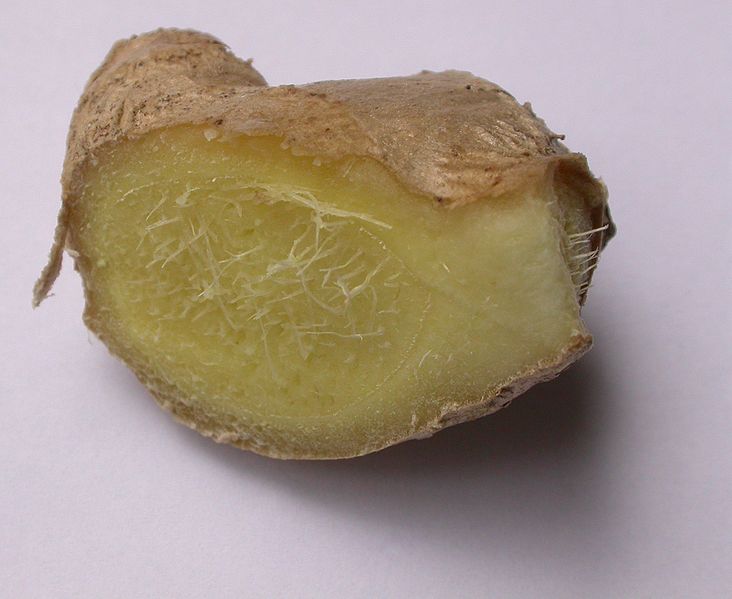
Get yourself one big, fat hand of fresh organic Ginger Root.  Fat fingers, because you will want lots of meat left after you take off the bark.  Cut away the bark, and then cube the flesh of the root - maximizing the surface area that will be exposed to the water as it brews.

Boil yourself a big tea kettle of water and then brew (I use a cute tea pot that reminds me of the English countryside) three organic green tea bags together with the cubed fresh ginger.  Let it steep a long time.  Me, I let it go several hours because I want all that ginger to free itself into the liquid. 

Grab a pitcher that has a cover/lid.  Blend your steeped ginger/green tea with cold water in the pitcher, stevia to sweeten it to your taste.  Use all the steeped ginger from the teapot, or if it's too strong for you, then save some in a glass jar in the fridge -  a handy second batch when you're ready. 

I think the green tea helps with the flavor, as does the stevia.  Plus, they both are helpful in their own right (antioxidants, etc.) and that can't hurt when you're healing. 

For those of you interested in learning more about Ginger as a natural alternative to aspirin, ibuprofen, or naproxen, check out these sites:

University of Maryland Medical Center
(where the med school reports that ginger is "commonly" recommended for nausea and vomiting caused by motion sickness, pregnancy, and chemotherapy, as well as a "digestive aid for mild stomach upset," (whatever that means) and as a help for "inflammatory conditions such as arthritis" along with heart disease or cancer.

Consumer Affairs
The consumer site references studies published in the Journal of Pain (as well as research done by several American universities), where ginger is recognized as a pain reliever in either its raw or heat-treated forms.  It also points to ginger as being a big pain remedy in Chinese medicine, and reports that ginger has both anti-inflammatory and analgesic properties similar to non steroidal anti-inflammatory drugs. 

Dr. Andrew Weil
Dr. Weil, the recognized alternative medicine practitioner who periodically shows up on PBS, also recommends ginger for pain relief.  All for the same sorts of things that the University of Maryland does -- nausea, muscle/arthritis pain, etc. 

October 13, 2010

Anti-Inflammatory Herbs - Natural Relief for Inflammation

Yesterday, I posted about inflammation - acute vs chronic - and ways to fight it.  Herbs, pills, diet.  Stuff I've learned after hurting my foot and having to deal with a painful hurt tendon.  Owee.

Today, thought I'd list the various herbal and natural anti-inflammatories I learned about during my research, as well as sharing links that proved helpful to me. 

Personally, I'm drinking green tea made with fresh ginger, sweetened with stevia, and I really think it's helping on the pain front.  But ginger is far from the only anti-inflammatory that's all natural (read: not a pill) - here's a partial list:

Avoid the NSAIDs: Find a Natural Anti-Inflammatory (Herb, Food, Spice) That Works for You

Herbs and Spices

Arnica
Basil
Boswellia
Bromelain
Cayenne Pepper (Capsaicin)
Chondroitin
Cinnamon
Devils Claw
Garlic
Ginger
Glucosamine sulfate
Glucosamine - chondroitin sulfate combo
Licorice root
SAMe (S-adenosyl methionine)
St. John's Wort
Tea Tree Oil
Turmeric
White Willow Bark

Foods

Green Tea
Apple Cider Vinegar
Acerola (West Indian) Cherries
Apples
Avocados
Bell Peppers
Black Currants
Blueberries
Broccoli
Brussel Sprouts
Cabbage
Collard Greens
Guavas
Kiwifruit
Kumquats
Leeks
Lemons
Limes
Mulberries
Onions
Oranges
Papaya
Raspberries
Rhubarb
Spinach
Strawberries
Tomatoes
Turnip Greens


For more information, check out:

Natural Holistic Health

All 4 Natural Health

Metabolism Advice

Natural News

October 12, 2010

Natural Anti-Inflammatories: What is Inflammation? Do You Have to Take a Pill for It? (Yes, Fine. I Hurt My Foot.)

Inflammation is your body's reaction to an injury -- it's the protection implemented by your own internal system to thwart whatever is hurting it and thereafter to initiate healing. It can be internal or external. 

Inflammation moves blood to the injury site, and there's usually swelling.  And for acute inflammation, there's pain -- which isn't necessarily bad: pain keeps you from moving the injury, giving the body time to heal the site.  Only problem is that pain, well, hurts. 

Inflammation is needed for any wound (or infection) to heal.  However, when it turns into chronic inflammation then it can become a problem, inviting disease (from hay fever allegies and heart disease to rheumatoid arthritis and Alzheimer's).  Things like diet are a consideration when fighting against chronic inflammation (more below).

Popping Pills for Inflammation

The common practice for inflammation is to pop a pill - take an aspirin, or one of the newer anti-inflammatories, the NSAIDs (nonsteroidal anti-inflammatory drugs).  You may know them as aspirin (Bayer, etc.), naproxin (Aleve), or ibuprofin (Advil, Motrin, or Tylenol).  NSAIDs are used to treat inflammation, as well as combat pain and lower fever.

There's lots of talk about these pills causing lots of problems on their own, things like a bleeding stomach and ulcers.  So, how to avoid them when you're fighting inflammation?  Can you? 

Natural Anti-Infammatories

Sure. There are several natural alternatives to NSAIDs that are proven anti-inflammatories.  They include (for a much longer list of herbs, spices, and foods that are natural antiinflammatories, go here):

Cayenne Pepper (Capsaicin)

You can find these creams alongside BenGay, IcyHot, and the other tubes of pain relief next to the Ace Bandage display at your local drug store.  These have a small amount of cayenne pepper in them, and it's been proven that rubbing capsaicin into sore muscles and joints can stop pain. 

Ginger

Again, studies have shown that ginger is a very effective anti-inflammatory.  In fact, some have found ginger to be more effective than aspirin (wow).   Make ginger tea, buy an organic hand of fresh ginger, take a finger and peel it, then drop the peeled ginger into a pot of boiling water to steep. 


Anti-Inflammatory Diet

Your entire diet can be targeted toward fighting inflammation.  Dr. Andrew Weil outlines an anti-inflammatory diet on his web site. 

Over at WebMD, Russell Greenfield, MD, a clinical assistant professor of medicine at the University of North Carolina at Chapel Hill, discusses the impact of chronic (or constant) inflammation and how it's known to be a big contributor to certain diseases, including arthritis, as well as some cancers, as well as heart disease and possible Alzheimer's Disease.  An out-of-balance diet, with too few omega-3 fatty acids, and too much omega-6 fatty acids (in other words, the processed food and fast food diet of most Americans) can cause chronic inflamation - and the person will not even know it.  Eww, right? 

Don't Forget RICE!

Additionally, for injuries (acute inflammation) consider the practical aspects of RICE -- you don't injest a thing.  Instead, you Rest (R) the injured arm, leg, foot, whatever; you put Ice on it (I); you wrap or bandage the site, called Compression (C) and you keep the injured limb immobilized and elevated, Elevation(E). 

What Happened?  I Hurt My Foot on the Trail. 

Okay, what brought this on?  Well, fine.  While on the trails with the pups, I injured my foot.  While being all foot-proud about my new bouncey help-you-butt shoes, the official name of which I won't be providing but you know what I'm talking about, right? 

Tendon pulled, not torn.  Gonna take weeks to heal, and at first this hurt like a big dog.  Now, I know all about tendons and the importance of wearing good shoes. 

And I've discovered that I love ginger tea (I add an organic green tea bag to the pot, so I suppose it's really green tea with ginger).  And yes, I think that the ginger has helped.  Quite a bit, actually.

September 24, 2010

Tom's of Maine 24 Hr Crystal Confidence Deodorant: All Natural Deodorant that WORKS

This may be getting close to TMI for you, Dear Reader, but I just have to share this great personal find.  I've been wanting to avoid standard antiperspirants for years now, for all those bad juju reasons we've all heard about -- and because rolling aluminum bits into my body on a daily basis just seems stupid, quite frankly.  (For what that does, read the postscript.)

However, this posed a big, big problem because while I can deal with the transition from anti-perspirant to deodorant okay, I just did not want to ... well ... stink.  There I said it: stink.  Smell.  Clear a room smell-bad.  This is a big deal for me, and I bet it's a big deal for you.  Sweat is one thing.  Stink is another.

So, imagine how thrilled I was after all this trial and error to find Tom's of Maine's 24 Hour Crystal Confidence Roll On Deodorant.  I like the Citrus Zest version, because the scent is so nice.  I also like that it works. 

Not to say that other natural deodorants didn't work -- they just didn't work for me after around 3 -4 hours.  Working from home, this is easier to accommodate than my past life in the Office.  I had gotten into the habit of using some of the other versions periodically during the day, because forewarned was forearmed.  Better to be a little nuts and add a little more here and there, than have a Deodorant Failure.  Funk is bad. 

No need with Tom's of Maine's 24 Hour Crystal Confidence.  Now, it doesn't last me for 24 hours.  But it'll go a good 12 or more.  And that, to me, is just fine.

Try it -- see what you think. 

PS - Potassium alum vs aluminum in anti-perspirants

Tom's of Maine Crystal Confidence does contain potassium alum, but this is different from commercial antiperspirant's aluminum component.  Potassium alum has a different chemical composition; you can buy it in solid, crystal form as Thai Sticks if you prefer that to Tom's version, and from what I've read, it's not absorbed into the skin.  It's too big, cellwise. 

Potassium alum lies on your skin and kills baceria; in the commercial anti-perspirants, some form of aluminum ( aluminum chloride; aluminum zirconium tricholorohydrex glycine; aluminum chlorohydrate; aluminum hydroxybromide; aluminum hydroxide) actually goes into your body to chemically block the sweat glands from releasing their liquid.  Apparently, the sweat glands just swell up with sweat that's not allowed to escape naturally.  Ewww. 

September 21, 2010

Doctor Mark Hyman Decries Conventional Medicine in HuffPo: The Rising Awareness of Lifestyle Medicine

Dr. Mark Hyman (M.D.) practices medicine and writes bestselling books (he's made the New York Times Bestsellers list four times so far). Dr. Hyman also founded The Ultra Wellness Center, and is considered to be a world-wide leader in "functional medicine" - so when he writes an article for the Huffington Post (the top blog in the country per Technorati), people pay attention. 

The article is entitled, "Millions Die Due to Withheld Medical Treatment" and if you can't read it at the link (it will be archived at some point), feel free to check Dr. Hyman's website or contact me -- I've saved a copy in OneNote because I don't want to lose it.)

Practicing Physician Claims Conventional Medicine Corrupted by Greed

You should, too.  Why?  Because Dr. Hyman is standing up against a huge contingent of his peers when he writes that conventional medicine today is corrupt: that by its co-dependence upon the big pharmaceutical companies, the true cures for such major diseases as diabetes and heart disease lies in lifestyle medicine

What is Lifestyle Medicine?

Since lifestyle medicine isn't as profitable as conventional methods, it's being ignored according to Dr. Hyman and the result is akin to the Tuskegee Experiments of the 1920s (and if you don't know about this  horror, it's worth your time to stop and read what Dr. Hyman's written - just to learn about this).  

Dr. Hyman's providing lots of information on the web to help people - his website is great, so is the UltraWellness Center.  For example, check out his free series of articles online, "7 Keys to Ultrawellness."  Great stuff in here. 

Lifestyle Medicine Incorporates Simple Living.  Wow. 

Dr. Hyman promotes many of the things that simplifiers value.  Things like eating whole, fresh, organic foods.  Foods that you cook yourself in ovens and on stovetops.  Avoiding bad stuff like high fructose corn syrup and mercury.  Exercising.  Getting enough rest.  Avoiding stress.  Drinking lots of good water.  Taking vitamins. Taking herbs, too. Understanding detoxification. (Did you know that internalized stress can make you fat? Wow.) 

Want to Learn More About Lifestyle Medicine?

To learn more, check out his personal site or Dr. Hyman's UltraWellness website (where he offers a free ebook and lotsa free videos), follow him on Twitter (http://twitter.com/markhymanmd), or surf around for "lifestyle medicine" where you'll find good sites to learn from, including: 

American College of Lifestyle Medicine
Harvard Medical School's Lifestyle Medicine Institute
The Institute of Lifestyle Medicine

May 26, 2010

Recipes for Homemade Toothpaste - It's Good for You

Why use homemade toothpaste?  Some do so because it's cheaper.  Some, because they want to avoid the flouride that's in most commercial toothpastes.  Others, because it's been shown to work extremely well (in combination with proper diet) in resolving gum disease (gingivitis, peridonteal disease). 

I did find one site where a dentist reports that using baking soda is bad and recommends Crest Original Toothpaste.  You decide, Dear Reader.

Here are some sites with several interesting recipes on how to make homemade toothpaste and tooth powder:

Tammy's Recipes - Toothpaste
(including cool flavors like cinnamon and peppermint)

Passionate Homemaking - Toothpaste 
(using Castile soap in several versions)

The Organic Sister - Toothpaste
(she includes aloe vera in her recipe)

Idea Queen - Toothpaste and Tooth Powder
(orange rind, sage, even powdered chalk are ingredients here)

Green Eco Services - Toothpaste and Tooth Powder
(hydrogen peroxide, salt, goldenseal, and lots of other interesting stuff in these recipes)

May 11, 2010

Growing Plants to Clean The Air Inside Your Home

Dr. Garrett Wdowin has written a great article for HealthierTalk.com where he not only discusses the impact of air quality on your health, but he provides a simple solution to combating the high levels of toxic fumes permeating our dwellings: houseplants.

That's right: a number of plants, grown indoors, act as automatic air purifiers.  Wow. 

In his article, Dr. Wdowin references studies done by NASA (National Aeronautics and Space Administration) on the impact of growing plants upon chemicals, and has included the NASA list of plants proven to remove toxic chemicals (formaldehyde, benzene, and trichloroethylene) from the air. 

The NASA List of House Plants That Purify the Air: Natural Air Filters

To read the NASA research report, check out the pdf version available for download. According to the NASA report, the scientists studied the following plants - most of which are easy enough to find in your local nursery.

Their Common Names:

Bamboo palm
Chinese evergreen
English ivy
Ficus
Gerbera daisy
Janet Craig
Marginata
Mass cane/Corn cane
Mother-in-law's tongue
Peace lily
Pot mum
Warneckei

Their Scientific Names:
Chamaedorea seifritzii
Aglaonema modestum
Hedera helix
Ficus benjamina
Gerbera jamesonii
Dracaena deremensis "'Janet Craig"
Dracaena marginata
Dracaena massangeana
Sansevieria laurentii
Spathiphyllum "'Mauna Loa'"
Chrysanthemum morifolium
Dracaena deremensis "'Warneckei'"

If you're really interested in this - and want a longer list of air-cleaning house plants, check out B.C. Wolverton's book How to Grow Fresh Air: 50 House Plants That Purify Your Home.
Related Posts Plugin for WordPress, Blogger...