Showing posts with label Food as Medicine. Show all posts

November 11, 2017

Resistant Starch and Gut Health: Pasta, Rice, and Potatoes Are Cool Again


Last fall, I discovered “resistant starch” and shared research about how eating cold potatoes was good for you because they contain this stuff.  See, “Resistant Starch: Potatoes are Good for You (Again).”

But silly me, I went off and forgot about it.  I had programmed myself against eating white stuff like bread and potatoes and rice for so long, I guess.  I skipped along, going my merry way, and never got on board with intentionally eating sources of resistant starch.

Big mistake.

Last month, I returned to investigating sources of “resistant starch” after the topic popped up in one of my research projects.  Turns out, I was including some forms of resistant starch in my diet (beans, for instance).  Good news.  But not enough, and not daily.  
.
.


Gut Health Boosted With Cold Potatoes

For personal reasons I’m not sharing here, focusing on my gut health is very, very important to me.  Gotta do it. 

So, beginning in October 2017, I started making sure that every day I had some form of these short-chain fatty acids in my diet. 

I ate cold potato salad.  I added some cold beans to my salads.  I tried a green banana or two (yucky).

And I noticed a difference.  I felt better.  I had more energy.  Emotionally, I was peppy.

This month, I’m delving into cold brown rice and rye bread.  Reuben sandwiches, yum!!! 
.

Brown Rice and Reuben Sandwiches

So, Dear Reader, if you want to do more for your intestinal gut health (and of course you do, it’s your “second brain” after all), then maybe you’ll like to eat more cold potato salad, too.
.

For more information, check out:

9 Foods That Are High in Resistant Starch, by by Rudy Mawer, MSc, CISSN and published by Healthline on October 6, 2016;

Keenan, Michael J., et al. "Role of resistant starch in improving gut health, adiposity, and insulin resistance." Advances in Nutrition: An International Review Journal 6.2 (2015): 198-205.'

Sawicki, Caleigh M., et al. "Evidence Mapping: Resistant Starch Interventions and Health Outcomes." Diabetes 3 (2016): 5.

September 28, 2016

Resistant Starch: Potatoes are Good for You (Again)

Resistant Starch Helps Fight Inflammation and Does Lots More Good Things


Awhile back, I shared Bill’s Hash Brown Potato Salad recipe. Now, admittedly Bill likes to put hash browns in most anything. And he’s usually right. Hash browns combined with eggs and bacon in your morning breakfast taco? Nothing better, my friend.

Now, however, there seems to be medical research supporting eating those hash browns along with other kinds of potato fixings as well as other starchy stuff you thought was on the Bad Food List.

Potato flour It’s called “resistant starch.” Time Magazine covered the topic in its May 2016 article, “Eat This Carb and You Won’t Gain Weight.

That’s right. That is the title – from an article in Time Magazine. 

Good news, right? You’re already thinking French Fries, aren’t you?

What is Resistant Starch? 


Resistant starch is found in potatoes, as well as beans, unripe bananas, brown rice flour, and more stuff. It’s found in lots of leftovers because cooking certain foods and then cooling them down helps to create it.

There are different types. All forms fight against being digested in the human digestive tract, which means that they help fight against weight gain as well as boost consistent blood sugar levels.

They are also supposed to help fight against bad bacteria in the gut (as in the evil Candida that causes so many problems).

From Today’s Dietitian: 
"As their name suggests, resistant starches are starches that resist digestion in the small intestine. Their definition is “the sum of starch and products of starch degradation not absorbed in the small intestine of healthy individuals.”2 Starch polymers are present in granules in plants and exist as either a straight chain (amylose) or a branched chain (amylopectin). The structure of both the granules and polymer chains affect the starch’s digestibility, making some more digestible than others. 
Resistant starches are classified according to structure or source, as follows2,3: 
• RS1 is physically inaccessible to digestive enzymes. Its sources include whole or partially milled grains, seeds, and legumes. 
• RS2 resists digestion because of the granule’s nature. Sources include raw potatoes, underripe bananas, some legumes, and high-amylose starches, such as high-amylose corn. 
• RS3 is produced in the cooking-cooling process. Sources include bread, tortillas, cooked and cooled potatoes, rice, and pasta. 
• RS4 is a chemically modified starch found in a wide range of products. 
Check out the full article from Today's Dietitian here.

Exciting news, isn’t it?

Read more in this May 2016 article by Samantha Olson published in Medical Daily, “How To Eat Carbs And Still Lose Weight: Resistant Starch Foods Improve Gut Bacteria.

June 14, 2011

Juicing for Health: Carrot Beet Apple Spinach Juice Tastes Good. Really.

I've had a great juicer for years - high powered motor, easy to clean - but I had stored it in a cabinet awhile back and just forgotten about it. And juicing.

Then, I was surfing around and there was this discussion about the nutrients that are available in raw vegetables and fruits, things that get lost by the time they get into bottles or cartons or cans or bags. That's right, I remembered: I own a really nice juicer - why aren't I using that thing? (Slap of forehead.)

So, this week I pulled that puppy out and went to the store and bought organic beets, carrots, Fuji apples, and baby spinach. Some cilantro, too - but I also made pico de gallo, and the cilantro escaped the juice machine.

Today, I'm back in a routine of juicing daily and I feel the better for it. I've posted on this before (Food as Medicine: Juicing) and you can find links for lots of detailed information there. Right now, I just want to share how easy and fun this is, and here's my recipe (and a couple of tips):

Reba's Daily Raw Carrot Apple Beet Spinach Juice

8 small carrots or 6 regular/medium size
2 big handfuls of baby spinach leaves (don't skimp)
2 medium sized Fuji apples
1 medium sized beet (about the same size as one of the apples)

Wrap the spinach around the carrots to juice, it works better (the leaves can be hard to juice). Keep your working area clear and clean as you go: that beet juice will stain stuff (including your tee shirt).

I drink this over ice and with a straw. It's a pretty purple color.

For more on what this provides, read the links given with the ingredients above.

March 21, 2011

Preventing Alzheimer's Disease: Five Things You Can Do Right Now to Stop Alzheimer's

Double Whammy:
one cup of green tea each day can help
fight against getting Alzheimer's Disease
in two ways.
pix: Public Domain Photos
This weekend, a friend of mine talked with me for a long time about how hard it was to watch a friend of hers suffer from Alzheimer's Disease, and now that the disease had progressed to a certain point, her friend's husband was forced to face the fact that his wife would be safer in a 24/7 nursing facility than at home with him.

So this Saturday, my friend supported her two friends, this husband and wife, as they separated after living together for many, many years.  She'll sleep near nurses who can lift her.  He'll make his morning coffee for himself.

My friend cried and cried after leaving them.  Alone in her car.  It's something with which we can all empathize.

Avoiding Alzheimer's Disease: Can We Do It?  It's Worth a Try, Right?

Perhaps a failing brain is something that some of us must face because it's in our genes.  It's a tragic destiny that cannot be avoided.  Maybe.

However, many argue that there are ways to stop Alzheimer's Disease - or at least delay it.  In fact, more and more research is being done on ways to prevent this horrific disease, fueled in no small part due to the aging Baby Boomer generation and the skyrocketing care costs that the American economy will face if a cure or prevention isn't found. 

Is this a global threat?  Not really.  In India, for example, Alzheimer's Disease is rarely seen.  Many believe this is because turmeric is the national spice of India -- as prevalent as salt or black pepper is here in the United States. 

Five Ways to Prevent Alzheimer's Disease - Supported by Research Studies, Easy to Implement

You aren't doomed.  There are a great many easy things that you can do right now - things that research studies have confirmed, that will fight against Alzheimer's Disease in your future, including: 
1.  Caffeine.  I've already written about the studies on one cup of coffee each day.  Really, it's a daily dose of caffeine that is key here. 
2.  Red Wine. There's also a post about having one glass of red wine every week.  Seems research shows that this will cut the chance of dementia in women by 70%.  That's a big deal, and so easy to do, right? 
3.  Exercise.  A little bit of exercise will fight against dementia in your old age, too.  Fifteen minutes of exercise, just three times a week, will do the trick of lowering your risk by 30%.  That's nothing.  Walking the dog regularly gets you there. 
Other things that you can incorporate into your lifestyle, if you aren't doing this already:
4.   Green Tea.  Every day, drink green tea.  New research is revealing that green tea prevents Alzheimer's disease from developing.  Drink it without the caffeine taken out, and you've also covered the first tip on this list, as well. 
5.   Turmeric.  Eat lots of curry spiced with turmeric.  (Or tons of yellow mustard -- turmeric is what makes hot dog mustard so yellow.) Seems this yellow spice contains a chemical that may block a necessary component of Alzheimer's Disease -- studies continue to be done here, based in part upon the reality that India has 400 times less incidence of Alzheimer's disease than the United States.  You can check out the top 20 recipes using turmeric at AllRecipes.com, or maybe take it in a pill form. 

There's still more.  At the Alzheimer's Research & Prevention Foundation, they offer a three pillar fight against getting this terrible disease (their fourth pillar, medicines, deals with treatment after onset):

February 12, 2011

pH Balance in Your Body: Should You Care About Your Internal Acid - Base Balance?

I'm hearing more and more about the pH balance of the human body and how maintaining a proper pH balance is important to your health. 

 
What is pH balance?

 
It's the balance between acid and alkaline.  Water is neutral.  When your pH balance goes wacky, then you have physical consequences.  Things like acidosis can occur.  After that, really bad things can happen: cancer, kidney disease, things like that.  Turns out, pH balance is really, really important. 

 
What's acidosis?

 
Acidosis results when your body is too acidic and therefore internally promotes the growth of bacteria, viruses, mold, and other bad things that can make you sick. 

 
Acidosis is a state where your body lacks sufficient calcium and oxygen to keep an internal balance that keeps these nasty things in check.  It's not like you don't always have bacteria, mold, etc., inside your body.  It's just that when you get out of balance, then they have an environment conducive to their growth. 

 
Not only does this mean that you can suffer from gas, bloating, headaches, and other rather minor symptoms, but as these things continue to thrive, things get more serious.  Intestinal disorders -- and get this, I learned that osteoporosis is the result of chronic acidosis.  In order to grab the calcium it needs to fight off the pH imbalance, the body will suck out calcium from its own bones and teeth to try and get a better alkaline level - and win the war against the bacterial growth.  Less bone mass, that's osteoporosis.

 
You can monitor your pH balance by buying cute color-coded gauges at your nearby health food store, or online at places like The Wolfe Clinic

 
How to get yourself back in a balanced pH state?

 
First of all, there's no magic pill here.  Simply put, you have to eat right - the same kind of thing that you are supposed to be doing anyway.  Avoid sugar, fast foods, caffeine.  Eat lots of raw veggies and fresh fruit.  Drink water.  (Here's a nice chart for you.)   Apple cider vinegar is supposed to be helpful, too.  Get calcium inside of you, along with water and potassium. 

For more information, check out these articles:

December 6, 2010

Garlic: A Natural Antibiotic That's Powerful and Respected

Over three years ago (wow, I've been blogging here a long time!), I wrote about olive leaf extract as a natural antibiotic.  However, I've discovered that as a natural antibiotic, fresh garlic works so much better for me, and I thought I'd share my discovery with you.

Here's the backstory.  Friday morning, I woke up feeling yucky and just didn't have time for it -- and didn't want to go to the doctor where I would either be told: (1) it's a virus, thanks for your office visit; or (2) it's a bacterial infection, here's some antibiotics for you.   What did my ancestors do before Doc in the Boxes?  I went online to find out, and learned about garlic.

Garlic Is a Natural Antibiotic that Has Been Used for Thousands of Years

I learned that Louis Pasteur studied the antibacterial properties of garlic.  I learned that Hippocrates dispensed it

Additionally, I learned that modern researchers found garlic to have (go to link for citations)"...the broadest spectrum of any antimicrobial substance that we know of — it is antibacterial, antifungal, antiparasitic, antiprotozoan and antiviral.” I also found out that unlike modern medicine's antibiotics, which are failing to conquer the new "superbugs," garlic remains a powerhouse against them

What's in raw garlic?

Two things:  Crushed, raw garlic has (1) allicin, a powerful antibiotic and(2) phytoncide, an antifungal compound. Other stuff, too, if you want to go read those medical studies (click the links).  It has the stuff to get rid of what's ailing me, as well as having all sorts of amazing health benefits, like fighting against heart disease, cancer, and diabetes.  Wow. 

So, garlic sounds like something I'm willing to try before I go see a medical health care provider. 

Garlic in a Tonic - What I Did

Last spring, I wrote about tonics -- which were pretty standard stuff until Modern Medicine introduced us to pills and tablets.  Personally, I think tonics are great.  You know what's going into them, and you really do feel the benefits. 

In that March 2010 post, I shared tonic recipes for Tonic Tea and Apple Cidar Vinegar Tonic as well as lots of links to long lists of tonic recipes.  Today, I'm sharing my new Garlic Tonic recipe - and while it may not make you kissably-sweet, heck: it worked for me.  I'm amazed and thrilled about this!!!!

Here's what I put together that got me back to 100% within three days time:

Reba's Garlic Tonic

In a Magic Bullet-type blender, I put the following:

8 peeled garlic cloves
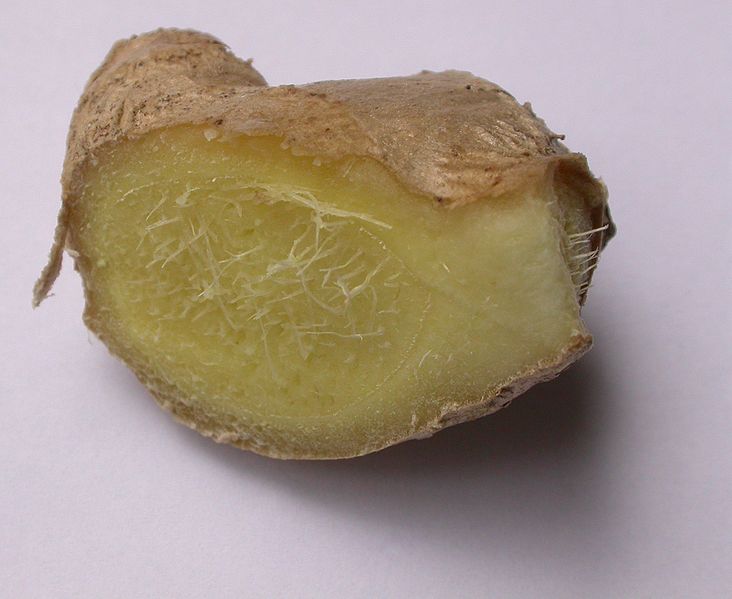
Equal amount of fresh cubed ginger ( for pain, read about this tip here)
Big squirt of organic, local raw honey
Filled it 1/3 with Bragg's Apple Cidar Vinegar (read about ACV here)
Filled the rest with water

Pulverized the stuff.  Then, I drank 2T in a cup of water or orange juice every 6 hours.  With crackers, to keep that garlic from making me nauseous. 

Friday, I felt bad.  Sore throat, sinus headache, runny nose, swollen glands in my neck, watery eyes, fever, ear popping, grumpy, tired. 

I adhered to this tonic regimen together with drinking Emerg-C four times a day (not at the same time).

Monday morning, popped up feeling FABULOUS.  No symptoms.  None. 

Cost in time and money?  Less than $10 and no lost time at a doctor's office.  Folk remedy?  Sure.  But it worked like a charm for me, and I don't have any antibiotics in my system to worry about, thankyewverymuch. 

Have a great day!!

November 1, 2010

Fizzy Vitamins like Airborne, Emergen-C: Are They Good for You?

Airborne are fizzy tablets in several tasty fruit flavors that come packaged in a cool cylinder similar in size to a roll of quarters.  The tablets provide about the same fizziness of Alka Seltzer, and they've been promoted in the past as a way to fight off colds and flu.  Competitor Emergen-C comes as a powder, in small individual envelopes: pour the powder into water and fun fizzyness occurs. 

Airborne and Emergen-C are similar in their high dose delivery of Vitamin C, and they're comparable in price (Airborne is a bit more pricey) but they have different vitamin combinations: these aren't identical products. But, aside from their ingredient lists, are these fizzy vitamins good for you?

The Fizzy Vitamin Reviews

Most online reviews of Airborne or Emergen-C discuss their ingredients.  How much Vitamin C is too much?  If you take five Airborne tablets a day, then are you overdosing on something?  Should we trust Airborne when it's a creation of an elementary school teacher, not a research scientist?  Which version of Emergen-C is best for you, if any, and does it have enough (or too much) of the B vitamins? 

Read through these reviews, and you'll learn nothing more than what you'll find from other vitamin reviews: some like them, some don't.  Vitamin C has its own group of proponents and detractors, and lots of what you read about the fizzy vitamins delve into the controversy of whether or not mega-doses of Vitamin C actually prevent or reduce colds and flu, cancer, etc.

Back in 2008, Airborne gained some notoriety for its $7 million settlement with 32 states and the District of Columbia, where these states had asserted that Airborne had made false claims about its benefits -- Airborne agreed to stop promoting its product as being helpful in preventing or treating illnesses.  This, after Airborne had already agreed to pay the Federal Trade Commission (FTC) around $30 million in settlement of allegations regarding false advertising claims. 

Whether or not you buy that these settlements were anything more than Airborne ultimately fighting against Big Pharma and those who are against lifestyle medicine, well, that's another issue.  Proper nutrition - including regularly taking vitamins and minerals - as a means to fight against illness is a huge topic, more than what we're pondering today.  Today, it's all about the fizz factor.
 
Fizzy Vitamins and Your Teeth

I found little if any discussion about the administration of vitamins through fizzy water.  Is this better or worse than vitamin tablets?  How do they compare against liquid vitamins?  I still don't know, and I'm assuming that this widespread absence of warning may well mean that taking vitamins through fizzy powder or fizzy tablets doesn't lessen their potency or worth. 

I did, however, find an interesting British news report about fizzy vitamins and your teeth.  Apparently, according to the Daily Mail, there are some that warn daily intake of these fizzy vitamins will harm teeth enamel.   Easy answer: use a straw.

After three weeks, I'm still happy with fizzy vitamins. And eating less - who knew?

Personally, I've been drinking a fizzy vitamin drink first thing in the morning for about three weeks now.  First two weeks, Airborne and now I'm trying out Emergen-C.  I'm still taking my regular vitamins, and I'm drinking my green tea with ginger, eating organic, etc. and I'm not trying to stave off a cold or flu.  Maybe some allergy symptoms (fall in San Antonio is notoriously bad for allergies) have been helped - watery eyes, headache, fatigue. 

However, one thing I've definitely noticed: I'm not as hungry.  I'm eating less, without consciously dieting.  Just not interested, and nope - I'm not sick or getting sick.  Wondering if getting enough vitamins and minerals into your system means you eat less. Or, looking at it another way, was I eating more because my body was craving vitamins it lacked?  Are fizzy vitamins a diet aid?  Yikes.  Imagine the horrific reaction of the FDA to that premise.   

October 25, 2010

Ginger Tea Recipe - Natural Pain Relief that WORKS

I'm still drinking my homemade Ginger Tea - and it's still proving to be very effective as a pain reliever. Once again this weekend, I skipped it and my foot (tendon injury) woke me up with a sharp pain on Saturday night as I tried to move it against the sheets. Yesterday and today, I'm drinking my Ginger Tea and no pain. Just like I'm taking a pain pill - but I'm not.

For those of you that might like to try my Ginger Tea recipe for yourself, here it is:

Get yourself one big, fat hand of fresh organic Ginger Root.  Fat fingers, because you will want lots of meat left after you take off the bark.  Cut away the bark, and then cube the flesh of the root - maximizing the surface area that will be exposed to the water as it brews.

Boil yourself a big tea kettle of water and then brew (I use a cute tea pot that reminds me of the English countryside) three organic green tea bags together with the cubed fresh ginger.  Let it steep a long time.  Me, I let it go several hours because I want all that ginger to free itself into the liquid. 

Grab a pitcher that has a cover/lid.  Blend your steeped ginger/green tea with cold water in the pitcher, stevia to sweeten it to your taste.  Use all the steeped ginger from the teapot, or if it's too strong for you, then save some in a glass jar in the fridge -  a handy second batch when you're ready. 

I think the green tea helps with the flavor, as does the stevia.  Plus, they both are helpful in their own right (antioxidants, etc.) and that can't hurt when you're healing. 

For those of you interested in learning more about Ginger as a natural alternative to aspirin, ibuprofen, or naproxen, check out these sites:

University of Maryland Medical Center
(where the med school reports that ginger is "commonly" recommended for nausea and vomiting caused by motion sickness, pregnancy, and chemotherapy, as well as a "digestive aid for mild stomach upset," (whatever that means) and as a help for "inflammatory conditions such as arthritis" along with heart disease or cancer.

Consumer Affairs
The consumer site references studies published in the Journal of Pain (as well as research done by several American universities), where ginger is recognized as a pain reliever in either its raw or heat-treated forms.  It also points to ginger as being a big pain remedy in Chinese medicine, and reports that ginger has both anti-inflammatory and analgesic properties similar to non steroidal anti-inflammatory drugs. 

Dr. Andrew Weil
Dr. Weil, the recognized alternative medicine practitioner who periodically shows up on PBS, also recommends ginger for pain relief.  All for the same sorts of things that the University of Maryland does -- nausea, muscle/arthritis pain, etc. 

October 13, 2010

Anti-Inflammatory Herbs - Natural Relief for Inflammation

Yesterday, I posted about inflammation - acute vs chronic - and ways to fight it.  Herbs, pills, diet.  Stuff I've learned after hurting my foot and having to deal with a painful hurt tendon.  Owee.

Today, thought I'd list the various herbal and natural anti-inflammatories I learned about during my research, as well as sharing links that proved helpful to me. 

Personally, I'm drinking green tea made with fresh ginger, sweetened with stevia, and I really think it's helping on the pain front.  But ginger is far from the only anti-inflammatory that's all natural (read: not a pill) - here's a partial list:

Avoid the NSAIDs: Find a Natural Anti-Inflammatory (Herb, Food, Spice) That Works for You

Herbs and Spices

Arnica
Basil
Boswellia
Bromelain
Cayenne Pepper (Capsaicin)
Chondroitin
Cinnamon
Devils Claw
Garlic
Ginger
Glucosamine sulfate
Glucosamine - chondroitin sulfate combo
Licorice root
SAMe (S-adenosyl methionine)
St. John's Wort
Tea Tree Oil
Turmeric
White Willow Bark

Foods

Green Tea
Apple Cider Vinegar
Acerola (West Indian) Cherries
Apples
Avocados
Bell Peppers
Black Currants
Blueberries
Broccoli
Brussel Sprouts
Cabbage
Collard Greens
Guavas
Kiwifruit
Kumquats
Leeks
Lemons
Limes
Mulberries
Onions
Oranges
Papaya
Raspberries
Rhubarb
Spinach
Strawberries
Tomatoes
Turnip Greens


For more information, check out:

Natural Holistic Health

All 4 Natural Health

Metabolism Advice

Natural News

September 23, 2010

FDA Warning Letter to Lipton's: Green Tea is a Drug and Lipton's is in Violation of Federal Law. Wow.

I buy Lipton Green Tea 100% Natural Naturally Decaffeinated - I bet you do, too. It's the little yellow and green box, and sometimes the price is right. Who knew I was buying a drug from a criminal?

However, that's apparently the case, because in August 2010, the FDA sent an official warning letter to Unilever, Inc., the company that provides us all with Lipton Green Tea 100% Natural Naturally Decaffeinated - and the letter's online for us all to read at the FDA website.

Here's some juicy tidbits for you:

"Based on our review, we have concluded that this product is in violation of the Federal Food, Drug, and Cosmetic Act (the Act) ...

"Your website, www.liptont.com. also promotes your Lipton Green Tea 100% Natural Naturally Decaffeinated product for conditions that cause it to be a drug under section 201(g)(1)(B) of the Act [21 U.S.C. § 321(g)(1)(B)].

"For example, your webpage entitled "Tea and Health," subtitled "Heart Health Research" and further subtitled "Cholesterol Research" bears the following claim: "[F]our recent studies in people at risk for coronary disease have shown a significant cholesterol lowering effect from tea or tea flavonoids ... One of these studies, on post-menopausal women, found that total cholesterol was lowered by 8% after drinking 8 cups of green tea daily for 12 weeks ...."

"The therapeutic claims on your website establish that the product is a drug because it is intended for use in the cure, mitigation, treatment, or prevention of disease. Your Lipton Green Tea 100% Natural Naturally Decaffeinated product is not generally recognized as safe and effective for the above referenced uses and, therefore, the product is a "new drug" under section 201(p) of the Act [21 U.S.C. § 321(p)]. New drugs may not be legally marketed in the U.S. without prior approval from FDA as described in section 505(a) of the Act [21 U.S.C. § 355(a)]. FDA approves a new drug on the basis of scientific data submitted by a drug sponsor to demonstrate that the drug is safe and effective.

"Your Lipton Green Tea 100% Natural Naturally Decaffeinated product is offered for conditions that are not amenable to self-diagnosis and treatment by individuals who are not medical practitioners; therefore, adequate directions for use cannot be written so that a layperson can use this drug safely for its intended purposes. Thus, your Lipton Green Tea 100% Natural Naturally Decaffeinated product is misbranded under section 502(f)(1) of the Act in that the labeling for this drug fails to bear adequate directions for use [21 U.S.C. § 352(f)(1)] ."


I could add more, but you're more than able to go read the whole thing for yourself.

As for me, Lipton's Decaf Green Tea may not be my preferred brand, but you can bet I'm gonna be buying an extra box or two -- just because this FDA action makes me mad.

September 21, 2010

Doctor Mark Hyman Decries Conventional Medicine in HuffPo: The Rising Awareness of Lifestyle Medicine

Dr. Mark Hyman (M.D.) practices medicine and writes bestselling books (he's made the New York Times Bestsellers list four times so far). Dr. Hyman also founded The Ultra Wellness Center, and is considered to be a world-wide leader in "functional medicine" - so when he writes an article for the Huffington Post (the top blog in the country per Technorati), people pay attention. 

The article is entitled, "Millions Die Due to Withheld Medical Treatment" and if you can't read it at the link (it will be archived at some point), feel free to check Dr. Hyman's website or contact me -- I've saved a copy in OneNote because I don't want to lose it.)

Practicing Physician Claims Conventional Medicine Corrupted by Greed

You should, too.  Why?  Because Dr. Hyman is standing up against a huge contingent of his peers when he writes that conventional medicine today is corrupt: that by its co-dependence upon the big pharmaceutical companies, the true cures for such major diseases as diabetes and heart disease lies in lifestyle medicine

What is Lifestyle Medicine?

Since lifestyle medicine isn't as profitable as conventional methods, it's being ignored according to Dr. Hyman and the result is akin to the Tuskegee Experiments of the 1920s (and if you don't know about this  horror, it's worth your time to stop and read what Dr. Hyman's written - just to learn about this).  

Dr. Hyman's providing lots of information on the web to help people - his website is great, so is the UltraWellness Center.  For example, check out his free series of articles online, "7 Keys to Ultrawellness."  Great stuff in here. 

Lifestyle Medicine Incorporates Simple Living.  Wow. 

Dr. Hyman promotes many of the things that simplifiers value.  Things like eating whole, fresh, organic foods.  Foods that you cook yourself in ovens and on stovetops.  Avoiding bad stuff like high fructose corn syrup and mercury.  Exercising.  Getting enough rest.  Avoiding stress.  Drinking lots of good water.  Taking vitamins. Taking herbs, too. Understanding detoxification. (Did you know that internalized stress can make you fat? Wow.) 

Want to Learn More About Lifestyle Medicine?

To learn more, check out his personal site or Dr. Hyman's UltraWellness website (where he offers a free ebook and lotsa free videos), follow him on Twitter (http://twitter.com/markhymanmd), or surf around for "lifestyle medicine" where you'll find good sites to learn from, including: 

American College of Lifestyle Medicine
Harvard Medical School's Lifestyle Medicine Institute
The Institute of Lifestyle Medicine

July 28, 2010

Tea as a Stress Reducer - It Works

Black tea has been studied in Great Britain (of course), and found to be a proven stress reducer.  Actually, it doesn't relax you so much as it prevents those nasty stress hormones (like cortisol) from skyrocketing and it is also able to fight against the formation of blood clots. 

Chamomile Tea is a Powerhouse

Herbalists for centuries have been reporting that chamomile tea reduces stress.  Personally, I love the taste of chamomile tea.  So I was very excited to learn that it's somewhat amazing in all its benefits.  For example, WebMD reports on studies that show chamomile tea to have the additional benefits of blocking complications from Type 2 diabetes including loss of vision as well as  nerve and kidney damage. 

Additionally, one research study published in the Journal of Agricultural and Food Chemistry found that chamomile tea heals inflammation along with assorted skin diseases, open wounds/ulcers and even gout. WebMD also reports that recent studies have found that simple little old chamomile tea can stunt growing human cancer cells.

Green tea and ginseng tea also not only provide great health benefits, but also to fight stress well.

Nice to know a no-calorie, inexpensive, easy-to-find beverage can do so much for you, right?  Add that to a real, traditional English tea time and you've really got yourself a stress-break.

May 26, 2010

Recipes for Homemade Toothpaste - It's Good for You

Why use homemade toothpaste?  Some do so because it's cheaper.  Some, because they want to avoid the flouride that's in most commercial toothpastes.  Others, because it's been shown to work extremely well (in combination with proper diet) in resolving gum disease (gingivitis, peridonteal disease). 

I did find one site where a dentist reports that using baking soda is bad and recommends Crest Original Toothpaste.  You decide, Dear Reader.

Here are some sites with several interesting recipes on how to make homemade toothpaste and tooth powder:

Tammy's Recipes - Toothpaste
(including cool flavors like cinnamon and peppermint)

Passionate Homemaking - Toothpaste 
(using Castile soap in several versions)

The Organic Sister - Toothpaste
(she includes aloe vera in her recipe)

Idea Queen - Toothpaste and Tooth Powder
(orange rind, sage, even powdered chalk are ingredients here)

Green Eco Services - Toothpaste and Tooth Powder
(hydrogen peroxide, salt, goldenseal, and lots of other interesting stuff in these recipes)

March 13, 2010

Beer Really Is Good for Your Hair - The Monthly Beer Rinse

It's true! Using beer as a rinse will help you hair shine more, and according to some, it also helps heal dry and damaged hair as well.  My experience has been that while beer is not a miracle worker all by its little self, I can tell a difference - in shine, especially. 

And while some say do this once a month, I've been doing it twice every month for the past few months, and I'm sold on leftover beer as a beauty tip. 

Why? From what I've read, the hops and the malt contained in beer are comprised of proteins. These proteins can bond with the individual hairs, strengthening them. 

How do you use the beer for a great hair day?


First, you want flat beer. Some folk suggest that you choose something will less beer smell than others, but after I rinsed the beer out of my hair, I couldn't smell any festive beverage remains so I'm not sure that matters. Your choice, Dear Reader.

Second, after you shampoo your hair as usual, take the can of flat beer and pour it on -- make sure all your hair gets its fair share of the brew (I left a can open on the counter overnight, so it was nice and lukewarm on my scalp).

Third, let it set there for a minute or two.  (This process works best in the shower, because while you're letting your hair soak up that Beer Rinse, you can make sure the excess beer gets rinsed off your shoulders, arms, hands, etc.  This isn't the neatest process I've tried.)

Fourth, rinse out the beer thoroughly.  Now you blow dry or air dry or whatever you usually do.  Done!

For more info:

ChagrinValleySoapandCraft has some recipes for beer rinses that sound good -- adding in jojoba oil, or the scent of rosemary, you get the idea. 

HowStuffWorks reports that a beer rinse can remove residue from hair.  CBSNews reports the same thing.  Good to know. 

Hairpedia reports that beer not only adds shine but volume as well when used as a hair rinse.  (They've also got the skinny on using vinegar, avocado, eggs, and mayonnaise in your hair care regimen -- fascinating stuff.)

July 7, 2009

Daily Dose of Caffeine May Cure Alzheimer's

Here's an article for you: Daily Dose of Caffeine May Cure Alzheimers, Scientists Find.

And while this is good news if you're wanting reasons to justify your Starbucks purchases, it's not so good for your previous dedication to that daily glass of red wine. Oh well.

Heck, maybe it's better to be safe rather than sorry. Coffee AND wine? Problem solved.

August 4, 2008

Stevia Goes MainStream - No Cal, All Natural Sweetener: Is It the New Splenda?

Well, it's about time. For those of us who have been using Stevia for years, we've wondered if this day would ever come. Thanks to Cargill, it has.

Stevia will be hitting the commercial store shelves this month, marketed under the name brand of "truvia." (I believe they're only selling it in packets, but I could be wrong.) Look for it packaged as SweetLeaf.

Next year, expect to see lots of marketing, with Coca-Cola having the exclusive rights to use Truvia in its beverages since it shared the Truvia development expense with Cargill. Pepsi's already in the fight - it's announced its version of stevia, PureVia, and will begin selling SoBe Life drinks sweetened with PureVia in several South American countries this week.

What's Stevia?
Stevia is a natural sweetener that has been used for years and years, which has no calories to it. It is derived from the Stevia plant, you can grow it yourself if you want to do so, and its leaves are several times sweeter than sugar.

The Japanese as well as countries in South America and Europe have seen store products sweetened with Stevia for many years. In fact, Diet Coke sweetened with stevia has been available in Japan for awhile now (check out Mark McManus 's rant about why we can't get it here in the States).

It's been a long, political path for Stevia to gain FDA acceptance here in the US ... and yes, there have been fingers pointed at both the sugar industry as well as the companies responsible for artificial sweeteners like Equal and Splenda.

Health Benefits - It's Good for You
While more and more reports are revealing concerns with the use of artificial sweeteners (particularly aspartame right now), worldwide studies have shown stevia to be beneficial to physical and mental health. Stevia has been shown to help with high blood pressure, glucose levels for diabetes, and depression. Dr. Andrew Weil and Dr. Michael Murray are big fans.

Want a soft drink sweetened with stevia right now?
Try Zevia. They'll even send you a variety six pack for free, as long as you pay shipping and handling.

Want to Buy It Now? My Favorite Brand and My Favorite Uses: Tea and Limeade.
Personally, I love stevia. I buy the KAL brand, loose powder form (it comes with its own measuring spoon inside). You can find it at health food stores like Wild Oats and Whole Foods (if KAL's not sold out ... it's the most popular stevia product at my store).

My life is better with stevia in it. Ten shakes for a gallon of iced tea. And, there's just not a better limeade around than one lime, a "stevia spoon" of stevia, water, and lots of ice.

I recommend KAL's stevia product because I do not find it to have the licorice aftertaste other brands sometimes have; plus, I think KAL gives you more bang for your buck than other brands. My KAL bottle simply lasts longer than the competition, and I use stevia all the time.

April 30, 2008

One Glass of Wine Per Week Cuts Women's Dementia Risk 70%

Wow! A new study published in the American Journal of Epidemiology, covering 34 years of research, shows that women drinking one glass of wine per week cut the likelihood of developing dementia (including Alzheimer's) by seventy percent (70%). Add other forms of alcohol to the mix, and the percent is still good at forty percent (40%).

One glass of wine. You can do that.

For more info: Vancouver Sun; Science Daily

January 17, 2008

Yerba Mate - Better than Coffee or Green Tea?

Down Argentine Way, the drink of choice isn't coffee or tea - it's yerba mate.

Made from steeping dried leaves of the yerba mate plant, it's extremely popular in South America and looks to be gaining ground in the U.S. - popping up in lots of mainstream publications, including USA Today and Epicurean. In fact, Bombilla & Gourd's Yerba Mate Tea just won the 2007 Best Non-Carbonated Beverage award over at BevNet.com, the beverage industry's trade publication website.

As the national drink of Argentina and Uruguay, mate is brewed much stronger and drunk much more often during the day than in other parts of the world. It's also accompanied by a social component: from Brazil to Argentina to Lebanon and Syria, the drink is served as loose leaves in hot water, in a special gourd-shaped container (shown above) and drank through a metal straw ("bombilla") whose tip includes a strainer. Yes, people share the same metal straw, passing the container from person to person in Latin America's answer to the coffee break.

There's a worldwide fanbase for yerba mate. Folk herald yerba mate as a superior caffiene source than coffee (there's not a gnarly effect on the stomach) as well as aiding in weight loss and helping with all sorts of health maladies.

Weight loss catch your eye? Check out this article in Women's World where a woman claimed to have lost 100 pounds just by incorporating mate into her daily life.

Yerba mate is a distinctly different plant, and it's been studied for its medicinal properties. Studies have found it to be filled with good things like B vitamins, antioxidants (more than red wine or green tea), and a mood enhancer similar to that found in chocolate. Some are saying it's a possible cancer-fighter.

However, other studies have warned that it may have a cancerous effect among heavy drinkers - those drinking significants amount of the drink over long periods of time.

Me? I got a box of Yerba Mate tea bags for Christmas. Taste was just fine (I sweetened it with Stevia) and I had a cup each morning for a week. I liked it, I had lots of energy and no yucky-stomach feeling. Better than coffee, for sure.

I'll keep it in stock, but I'll still have my tea as well. Tea is just too fun to abandon: choosing between the pretty packages, deciding between milk or lemon, picking the mug. Maybe it's a girl thing.

November 30, 2007

Food as Medicine: Olive Leaf - Alternative to Antibiotics

Want to avoid taking antibiotics? Try Olive Leaf Extract.

Not only has it been proven to be effective against viruses and bacteria (along with fungus and yeast), a recent Australian study has shown its potential as a cancer-fighting agent. It's also shown to be effective against high blood pressure, to lower cholesterol, and to help fight AIDS/HIV.

You can buy it in capsule or pill form, or you can purchase the liquid and take it by drops (best in water or juice). Smaller dosages are sold for dogs and cats, it works for them, too.

It's not expensive. A bottle of pills can be had for $5.00 - human or pet form. Plus, there aren't any huge side effects. It will lower blood sugar and blood pressure, which may or may not be an issue for you.

And, it's been around for awhile. It's been used medicinally for centuries.

For more information:
Science Direct
Sloan-Kettering
Advance Health (long link list - research studies)
University of Queensland/Southern Cross University Study-July 2006

November 16, 2007

Food as Medicine: 10 Tips For Lowering Cholesterol With Food

You can significantly lower your cholesterol just by diet. Here are some tips:

1. Eat several small meals a day. Think 3 meals, and then 3 snacks, if this helps - and then make the meals smaller than before. This keeps your blood sugar steady and prevents insulin spikes that up the production of cholesterol.

2. Eat a handful of walnuts or almonds each day. (Just doing this will lower your cholesterol by approximately 10%.) Better yet, do both. You can always add them to salads, top casseroles with them, put them in your oatmeal (I love this), or just have them as a snack. Keep a jar or small can of them on the table, within easy reach, and they'll get eaten.

3. Spice up your food with cayenne powder. Cayenne powder contains capsacin, which lowers cholesterol. Not that hard, if you're eating lots of different bean recipes (uses up lots of garlic this way, too).

4. Add garlic to your recipes. It lowers cholesterol and blood pressure.

5. Eat lots of beans. 1.5 cups of beans a day in your diet can lower your cholesterol by 19%. There's lots of ways to cook beans (soups, beancakes, stews, salads, beans & rice dishes, dips, etc.). There's lots of beans to choose from, too. Beancakes are great -- they can be made into sandwiches, eaten as a meal -- mush the beans up, put in lots of spices as well as garlic and onion, maybe some shredded carrot, and bake or fry these babies. Roll them in cornmeal or bread crumbs for a crispy crust.

6. Eat carrots and apples. They both have pectin, which lowers cholesterol.

7. Eat lots of fiber -- raw veggies and fruits are best. If you're eating the beans, the apples, the carrots, and the oatmeal, you're probably okay here.

8. Add cinnamon to your diet. 1-2 T/day. It helps lower cholesterol. Add it to your coffee, put it in your oatmeal, bake apples or yams with cinnamon, some make cinnamon tea but I'm not into the flavor that much. Pills are also available, Natural Valley has a good product - one month's supply for under 10 bucks.

9. Eat lots of oatmeal -- but make sure you use a good quality oatmeal in order to maximize the benefit. Say, 1.5 cups a day. (My favorite is Silver Palate's Thick and Rough Oatmeal.)

10. Stop eating margarine and other Saturated Fats. Check the Nutritional Labels of everything you buy and just don't buy products that are high in saturated fat or that have any trans-fats in them.

Sources:
MayoClinic.Com
Medicine.Net
American Heart Association
GoAskAlice.ColumbiaUniversity
Related Posts Plugin for WordPress, Blogger...