March 31, 2006

Daylight Saving Time Starts Sunday


Daylight Saving Time starts this Sunday, April 2, 2006, at 2:00 a.m.

Spring forward one hour, as the rhyme goes ....

Americans might want to note that this is the last April you'll be setting the clocks ahead: starting in 2007, DST starts in March - with the US joining the EU on their sun-saving schedule. The European Union starts saving sunshine on the last Sunday each March and stops on last Sunday each October. Unlike the United States, in Europe, all time zones change at the same moment.

Why do this? It saves energy, it's responsible for less car accidents, and people like it - polls show most folk like the extra daylight hours in the evening.

And, if you don't like it -- blame Benjamin Franklin. That's right: he advocated DST right along with electricity, glass harmonicas, cast iron stoves, libraries, lightning rods, and bifocals. Good Old Ben.

Here's the American schedule for the next three years:

Year/ Spring Forward/Fall Back
2006/ April 2/October 29
2007/ March 11/November 4
2008/ March 9/November 2

Note: Hawaii, American Samoa, Guam, Puerto Rico, the Virgin Islands, and Arizona do not participate in DST.

Source: timeanddate.com, webexhibits.com
March 30, 2006

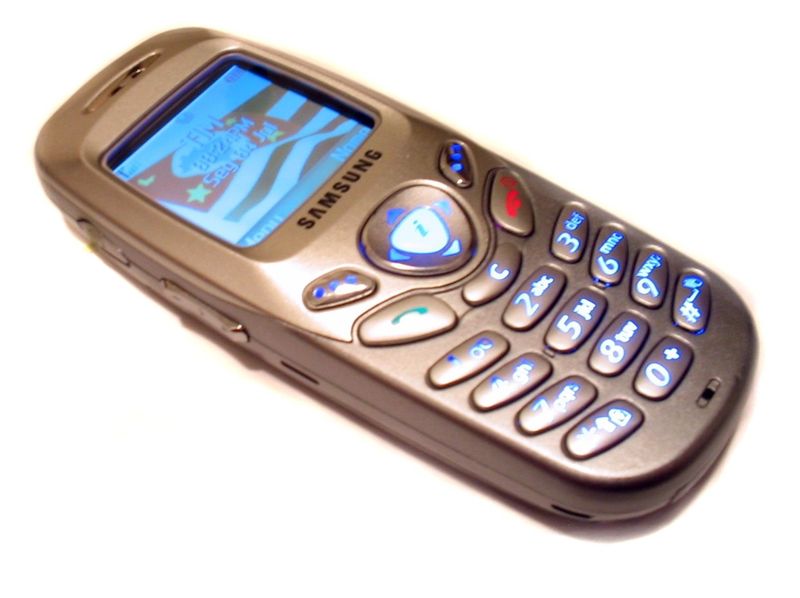
Escaping a Long Term Cell Phone Contract

Roaming Hack has created a blog for the sole purpose of providing information to the masses on how to escape cell phone contracts. He uses Cingular as an example. In the comments (34 at the time I checked), others were giving information on Sprint and other companies.

Dr. Mercola thought enough of this site to post about it this morning. What does Roaming Hack advise? Roaming writes:

"There is a little known secret about your cell phone contract that your wireless service provider doesn't want you to know....You can cancel whenever you want without paying a termination fee....

"There is a very simple way to do this. Become unprofitable. If you're paying them $50 a month but costing them a few hundred - They most definitely will cancel you."


His secret? Create high roaming costs to the company during free weekend minutes, forcing the company to pay another company for your roaming time.

Does this work? The Hack says it does. Dr. Mercola gives it a vote of confidence. Those commenting point out that different companies work different ways, and some provide the contract language for those companies.

Of course, getting a phone on a pay-as-you-go plan saves you from a contract, and you don't have this problem. At $15.00/month minimum, this is probably the simplest way to go: maybe you don't have oodles of cell phone minutes here, but you don't need them. Not really.

March 29, 2006

How to Fillet A Whole Fish

Fish is fresher if you buy the whole fish: the meat holds its shape and flavor better. It's cheaper, too. Here's what you need to know to choose this option for your menu:

1. For info on buying fresh fish (knowing its fresh, choosing the best fishmonger, etc.) Gorton's has a great site - complete with a printable info sheet to take with you to the store.

2. You will need four tools: a filleting knife (sharp, long, flexible); a chef's knife (large, sharp); a set of needle-nose pliers (tweezers will do in a pinch); and kitchen scissors.

3. You'll face two kinds of fish - round or flat. Preparation is a bit different for each type. (Gorton's explains this well, too.)

4. As for what you do, first, you "prepare" the fish. This involves cleaning it and removing the ooky parts.

5. Then you "fillet" it, which involves cutting away large portions of the meat away from the bone. Skin stays on at this point. If you have a big fish (think shark), you don't fillet: you "steak"... you "steak the fish".

6. The next steps are to "debone" and "skin" the fillets/steaks.

For detailed instructions on all these steps, check out Gortons.com, NoBonesAboutIt.com (they have videos), cutlery.com, foodnetwork.com (more video).
Related Posts Plugin for WordPress, Blogger...